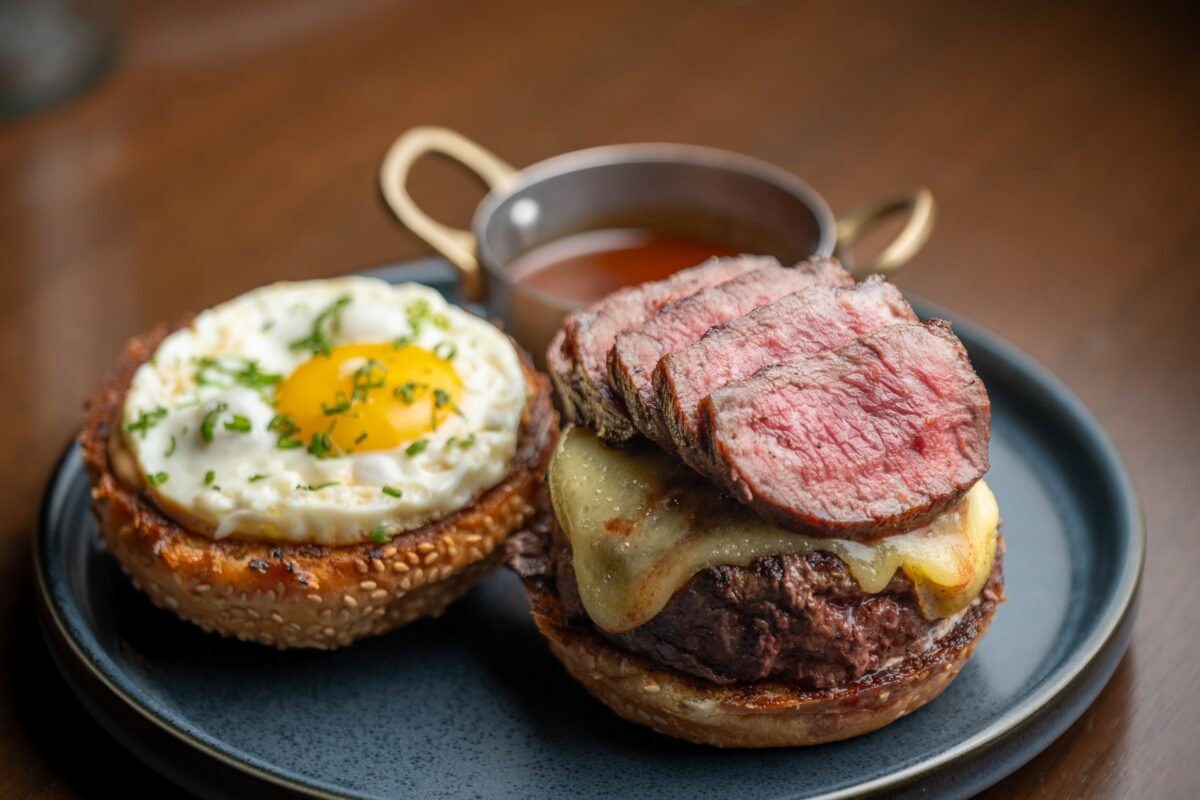

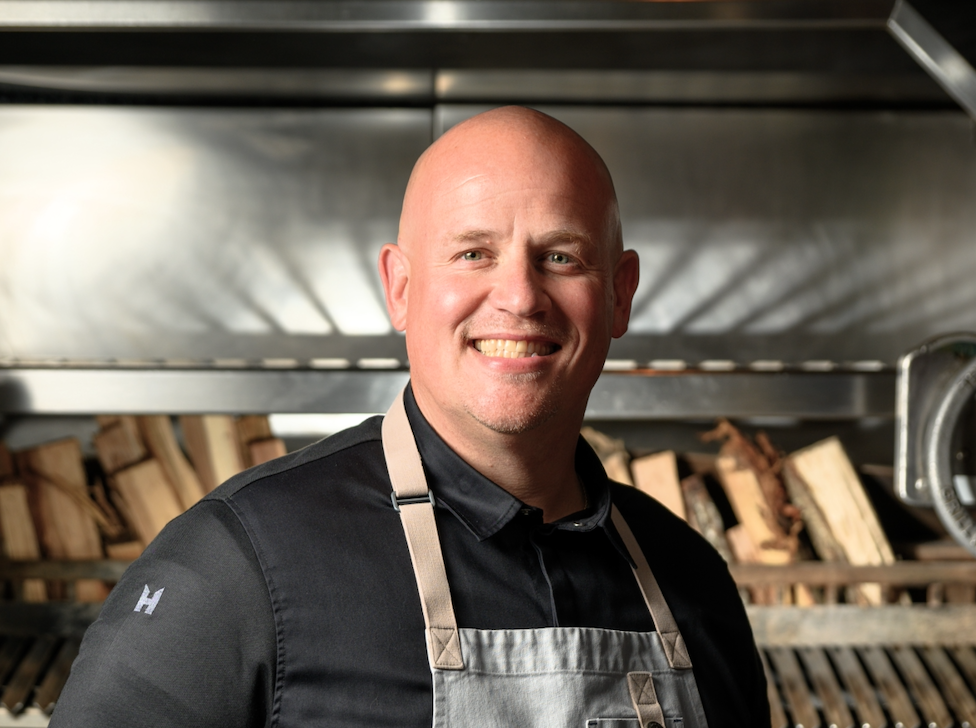
As Executive Chef of Hilton Columbus Downtown, Chef Todd Goodwin oversees one of the city’s largest and most dynamic culinary operations, leading multiple restaurants, banquets, and a team dedicated to delivering exceptional hospitality at every scale. Guided by a philosophy rooted in quality, collaboration, and continuous improvement, he has built a culture where innovation and consistency go hand in hand. Whether serving a table of two or thousands of guests, Goodwin’s focus remains the same: creating memorable dining experiences through great food and great people.
You’ve overseen everything from restaurant concepts to large-scale banquet operations. How do you shift your mindset between creating an intimate dining experience and executing service for thousands of guests?
At the end of the day, it’s all about creating an exceptional guest experience, no matter the size of the event. We use the same farmers, artisans, and attention to detail in our banquet kitchens as we do in our restaurants. The difference is scale. In a restaurant, you’re focused on each individual plate. In banquets, success comes from preparation, organization, and consistent execution.
My philosophy is simple: banquet food should never feel like banquet food. Whether we’re serving 50 guests or 5,000, every meal should reflect the same care, quality, and craftsmanship.
Leading a large culinary and stewarding team requires more than technical skills. What leadership philosophy has been the most valuable in building a strong kitchen culture?
The biggest lesson I’ve learned is that people give their best when they know you genuinely care about them.
I’ve never believed in leading through intimidation. Kitchens have changed for the better because people want to be challenged, but they also want to be respected.
I try to be present, approachable, and invested in my team’s growth. One of my greatest accomplishments is seeing cooks who started with me grow into leaders themselves.
When you invest in people, they invest back in the operation. That’s why we promote from within whenever possible. It’s incredibly rewarding to watch our team grow together.
With responsibility for seven distinct food and beverage outlets, how do you ensure each concept maintains its own identity while reflecting your overall culinary vision?
Every outlet should have its own personality. Guests shouldn’t feel like they’re seeing the same menu in a different room. Each of our chefs brings their own vision, and we work together to develop menus that reflect those unique concepts.
At the same time, there should be a common thread throughout everything we do: quality ingredients, consistency, and attention to detail. Every dish goes through multiple iterations before it earns a place on the menu.
Whether someone is grabbing breakfast before a meeting, enjoying dinner in one of our restaurants, or attending a banquet for thousands, I want them to recognize the same commitment to quality. The concepts may be different, but the standards never change.
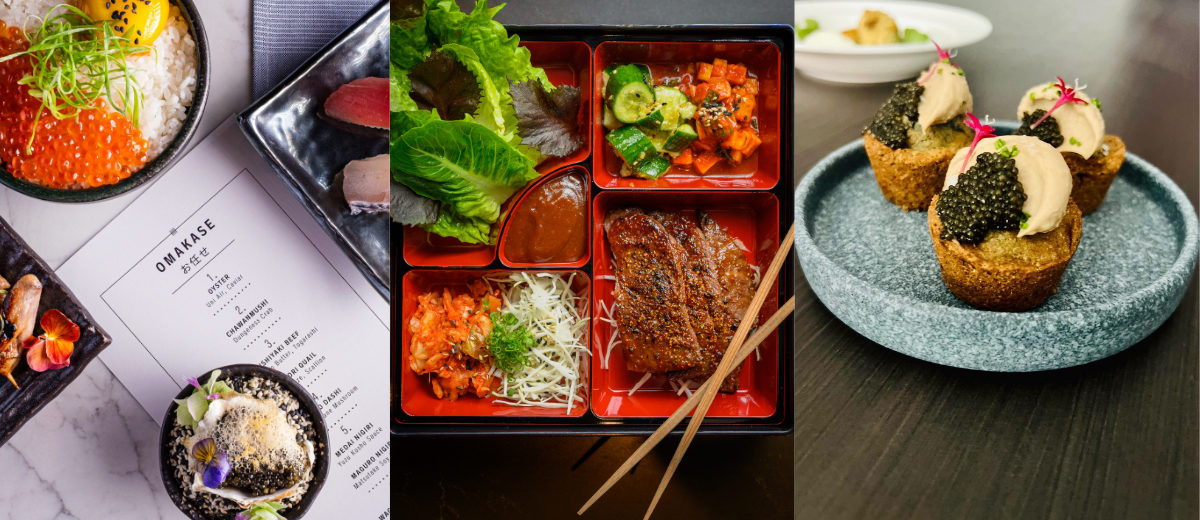
Opening new food and beverage operations while simultaneously running an established hotel is a unique challenge. What did that experience teach you about adaptability and innovation?
It taught me that no matter how much you plan, you always have to adapt.
Every opening brings surprises, so staying calm, trusting your team, and being flexible are essential. Opening our second tower while operating a busy convention hotel reinforced the importance of communication and teamwork.
Some of our best ideas came from unexpected challenges, helping us become more efficient and build stronger systems.
Menu development at the scale of Hilton Columbus Downtown means balancing creativity with operational realities. Where do you find the sweet spot between culinary ambition and consistency?
I love being creative, but creativity has to work in the real world. Our specialty dinners, chef’s tables, and Omakase experiences give our chefs the freedom to push boundaries while showcasing their craft.
The challenge is creating dishes that are both exciting and consistently executable. Every menu is developed with seasonality, sourcing, labor, and the guest experience in mind.
For me, consistency earns a guest’s trust, and creativity keeps them coming back. Our goal is to create memorable dining experiences that tell a story through every dish.
Managing a high-volume culinary operation demands both artistic vision and business acumen. How has your approach to balancing financial performance with guest experience evolved throughout your career
Early in my career, I thought great food was enough. I quickly learned that great chefs also have to run great businesses.
Understanding food costs, labor, and operations is what allows you to invest in better ingredients, better people, and better experiences. In the end, great cooking may bring guests in, but great business keeps them coming back.
Hospitality continues to evolve, especially in hotels where guests expect memorable dining experiences alongside seamless service. What trends or opportunities are you most excited to explore over the next few years?
Today’s guests are looking for authentic, memorable experiences. They want local ingredients, seasonal menus, and food with a story, not something they can find anywhere. That’s why we partner with local farmers and artisans and create interactive dining experiences that bring those stories to life.
Technology is also helping us work smarter behind the scenes, giving chefs more time to focus on what matters most: great food, developing their teams, and taking care of guests. Hospitality will always be about people.
Looking back on your career so far, what’s a piece of advice you received, or a lesson you learned the hard way, that still influences the way you lead your team today?
One lesson that’s really stayed with me is that you don’t have to have all the answers.
Early in my career, I thought being the chef meant solving every problem yourself. Over time, I realized the best leaders build teams where everyone feels comfortable speaking up and sharing ideas.
Some of the best improvements we’ve made have come from cooks, sous chefs, and stewards who simply saw something differently than I did. We make sure everyone has a voice and are able to share ideas with each other.
I also learned that your team pays much more attention to what you do than what you say. If you expect professionalism, accountability, and respect, you have to demonstrate those things every day.
That’s the culture I’ve always tried to build, and I think it’s one of the biggest reasons we’ve been successful as a team at Hilton Columbus Downtown.