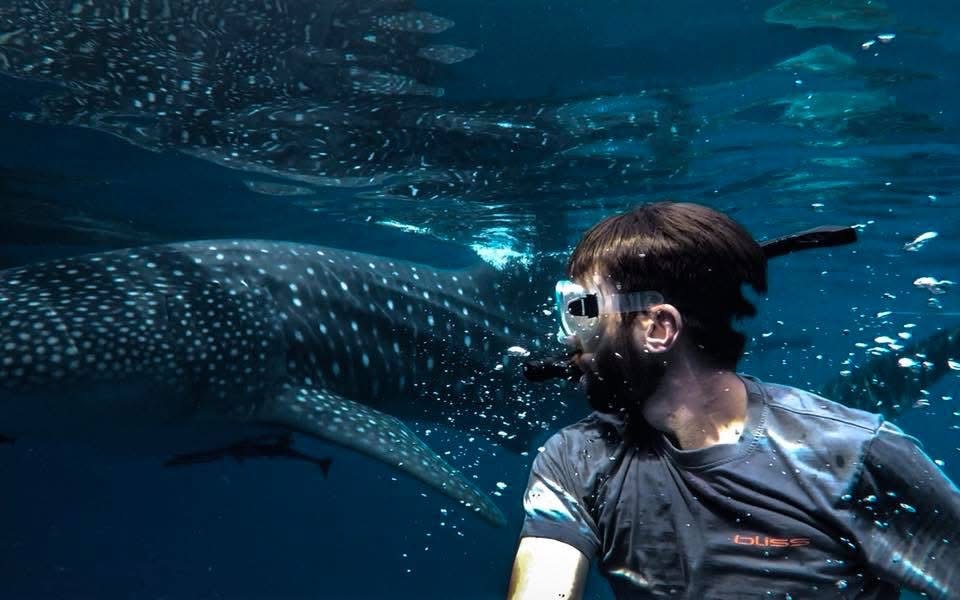


Chef Dean has built a career in the superyacht industry, where versatility, resilience, and a guest-first mindset matter just as much as culinary talent. Today, he’s helping the next generation of chefs navigate the same path that transformed his own life, proving that some of the most rewarding careers in hospitality exist far beyond the walls of a traditional kitchen. Be sure to follow his adventures on Instagram.
What first drew you to life at sea, and how did you land your very first yacht chef position?
I knew there had to be more out there than the traditional restaurant grind of split shifts and living for the weekend. Growing up in a small coastal town, I loved both cooking and the ocean, and yachting seemed like the perfect way to combine food, travel, and adventure. What I didn’t realize was how many other opportunities came with it. The financial benefits, the ability to save money, and the chance to see parts of the world most people never experience completely changed my perspective on what a culinary career could look like.
I landed my first position through a crew agency. It took time because I didn’t fully understand the industry at first, but once I committed to it, it opened the door to a career that’s now lasted more than 13 years.
Looking back on your 13+ years in the industry, what were some of the biggest challenges you faced early on, and how did they shape the chef you are today?
The cooking was actually the easy part. The biggest challenge was learning how the industry worked and adapting to life onboard. You’re living and working in close quarters with people from all over the world, often for weeks at a time, and that requires a completely different mindset than restaurant life.
Provisioning was another huge learning curve. Making sure you have enough ingredients to feed guests and crew for weeks while crossing oceans isn’t something culinary school prepares you for. Those challenges taught me adaptability, planning, and resilience, skills that are just as important as cooking itself.
Being a yacht chef is very different from working in a restaurant. What are the biggest misconceptions chefs have about the role?
One of the biggest misconceptions is that you’re constantly creating elaborate Michelin-level meals for billionaires and celebrities. In reality, the best yacht chefs aren’t the ones with the biggest egos, but the ones who listen.
It took me a while to realize that guests don’t always want what I think they should eat. Sometimes they want a world-class tasting menu. Other times they want burgers, hot dogs, or chicken wings made with exceptional ingredients and attention to detail. Success comes from understanding your guests, reading their preferences, and delivering exactly what makes them happy. That’s what separates good yacht chefs from great ones.
You’ve cooked for guests from all over the world in some of the most remote destinations imaginable. What experiences have had the greatest impact on your culinary perspective?
One of the biggest lessons I’ve learned from spending time around some of the wealthiest people in the world is that money doesn’t automatically create happiness. It sounds cliché, but after 14 years in this industry, I’ve seen firsthand that having access to everything doesn’t necessarily lead to fulfillment.
One experience that really stayed with me happened while visiting a remote village in Vanuatu in the South Pacific. While the guests toured the village, I struck up a conversation with the chief’s son and asked him what he did for work. He looked at me, slightly confused, and replied, “What do you mean? This.” We were standing on a pristine beach beside his family’s hut on one of the most beautiful islands I’d ever seen. He explained that they fished, hunted, grew their own fruit and vegetables, and simply lived. Then he smiled.
That moment hit me hard. Here I was, surrounded by luxury every day, and yet this man seemed completely content with a life most people would consider simple. It reminded me that happiness often comes from purpose, community, and appreciating what you have. It’s a lesson I’ve carried with me ever since.

What skills separate a great yacht chef from a great restaurant chef, and what does it take to thrive in such a unique environment?
Adaptability, patience, versatility, and strong people skills.
A yacht chef might prepare a sushi omakase experience one evening, authentic Mexican cuisine the next day, and then spend the following afternoon perfecting a simple hotdog for a guest who specifically requested it. You need the technical ability to execute a wide range of cuisines, but more importantly, you need the mindset to put the guest first. The sooner a chef realizes that guests haven’t come onboard specifically for their food, and instead focuses on delivering exactly what those guests want. The faster they’ll succeed in this industry.
At what point did you realize you wanted to help other chefs break into the yachting industry, and what inspired you to start teaching and mentoring?
I’ve been helping chefs enter the industry for about eight years now. It started when I began sharing life onboard through social media at a time when the yachting world was still incredibly secretive.
Before yachting, I had a tough experience working in restaurants. Like many chefs, I dealt with long hours, intense environments, and some difficult situations along the way. When I discovered yachting, it completely changed my life. It gave me the opportunity to travel the world, earn a great living, work with incredible ingredients, and build lifelong friendships.
As my social media audience grew, I started receiving hundreds of messages from chefs and aspiring crew members wanting advice. That led me to create Become a Yacht Chef as a resource for people interested in the industry. Eventually, I realized there was only so much I could explain through messages and posts, which inspired me to create the Become A Yacht Chef course.
Across 28 videos, I walk aspiring yacht chefs through everything from provisioning and menu planning to Atlantic crossings, guest expectations, crew meals, and the realities of life onboard.
Through your courses and coaching programs, what are the most common questions or concerns you hear from chefs who are considering a move into yachting?
The most common concern is, “I’m not good enough.”
I hear it all the time, and my answer is always the same: you probably are. Some of my students have gone from working as deckhands or stewardesses with little to no formal culinary training to cooking for billionaires and high-profile guests onboard luxury yachts.
What separates successful people in this industry isn’t always experience or qualifications. More often than not, it’s attitude, work ethic, and a genuine willingness to learn. If you have drive and passion, you’re already further ahead than you think.

For chefs who are curious about the superyacht world but don’t know where to start, what is the biggest piece of advice you would give them, and how can your programs help accelerate that journey?
My biggest piece of advice is to learn how the industry actually works before trying to break into it.
When I started 14 years ago, there were very few resources available, and I had to figure most of it out through trial and error. Today, that’s no longer necessary. In fact, Module 1 of my Become A Yacht Chef course is completely free and covers many of the questions aspiring yacht chefs struggle with most, including the pros and cons of the industry, yacht CVs, required courses, visas, and certifications.
I also wish someone had prepared me for just how different life onboard would be compared to working in a restaurant. The watch schedules, living with crew, long stretches without days off, and the realities of life at sea can come as a shock if you’re not prepared. Understanding those realities before you step onboard will set you up for success.
What’s the most unexpected guest request you’ve ever received while at sea?
Honestly, after 14 years in the industry, what once seemed unusual has become pretty normal. Life onboard is essentially one request after another. The requests that stand out most are the ones that involve sourcing ingredients or products from the other side of the world at a moment’s notice. In yachting, there’s a saying: “We never say no.” If a guest wants something and it’s physically possible to get it, we’ll find a way. That’s one of the things that makes this industry so unique. The resources available are incredible, and even if we can’t make it happen immediately, there’s a good chance we can have it delivered within 24 hours.